Eliminating Malnutrition
Preventing and Treating Malnutrition
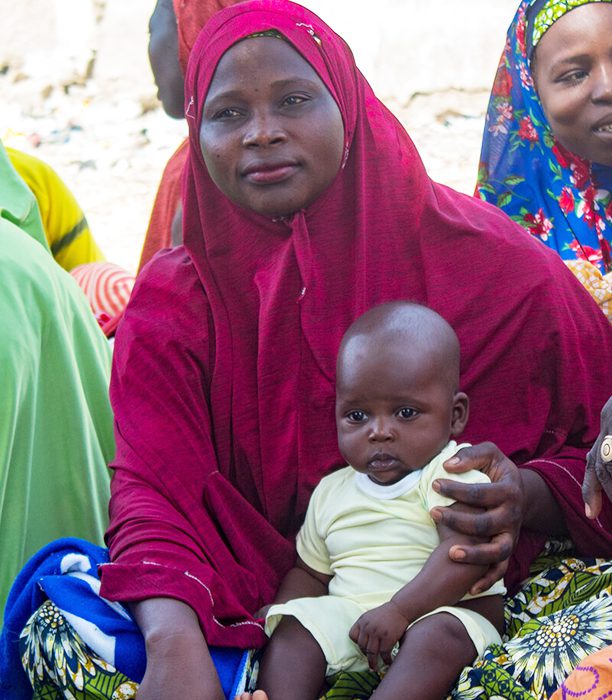
Every 11 seconds a child dies of malnutrition and a lifetime of potential is lost.
Hunger is the greatest threat to a child’s life. Today, as many as 783 million people go to bed hungry every night, obliterating the progress made globally since the early 2000’s, thanks to the ongoing impact of COVID-19, climate crises, and conflicts in Ukraine and around the world. Combined, these factors make nutritious foods unattainable and unaffordable for far too many families. Children are at greatest risk – their growing bodies deprived of the nutrition they so desperately need to develop, grow, and thrive.
The first 1,000 days are critical
The 1,000-day window between the start of pregnancy and a child’s second birthday is a critical period of rapid physical development. Women’s blood plasma increases by almost 50 percent to provide nutrients for the growing fetus, and her body makes even more dramatic adaptations to nourish her infant with breastmilk. Most healthy babies double their birth weight by 5-6 months and triple as they approach their first birthday and establish over a million new neural connections every second. If an expectant mother or newborn lacks adequate nutrition at this crucial stage, the mother’s life can be put at risk, and the child may experience irreversible damage to their brains and bodies, limiting their ability to develop, grow, learn, and eventually limiting their ability to earn a living and rise out of poverty.
Luckily there are simple, proven, cost-effective solutions that can prevent malnutrition and bring a child back from the brink.
- Protect pregnant mothers by ensuring they get the right mix of prenatal vitamins and minerals to keep themselves and their fetuses healthy.
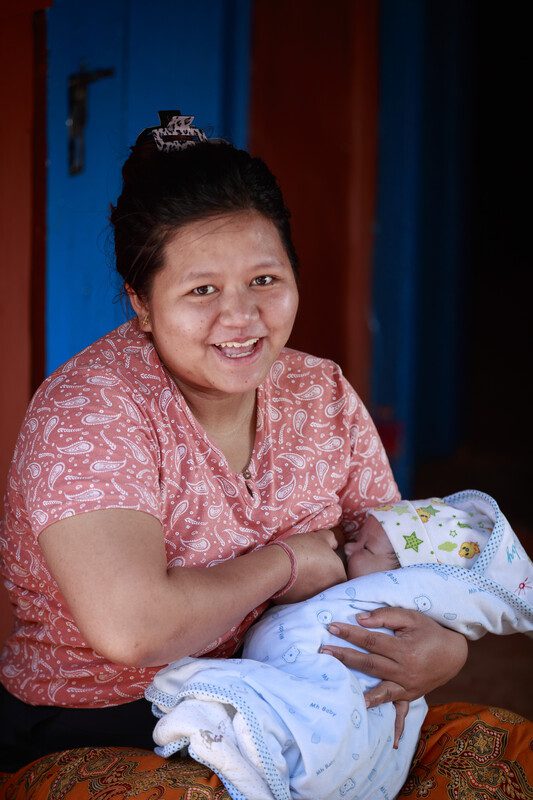
- Support mothers to exclusively breastfeed her child for the first six months of their life, nutrition tailored by her body to meet all the infant’s needs while also building his immune system.
- Provide children under five with the right amount of vitamin A through nutrient-rich foods and supplements to fortify their immune systems.
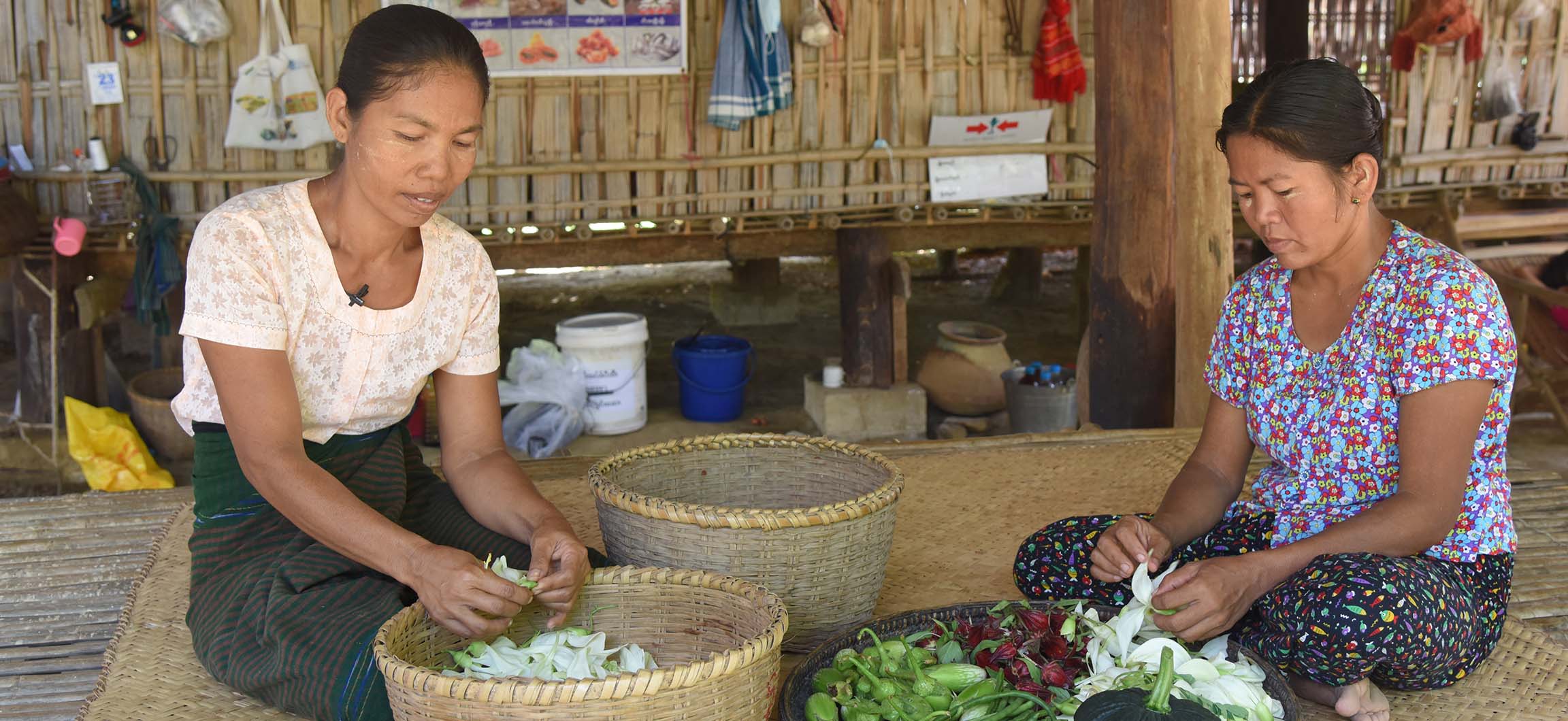
- Enrich children’s diets by improving access to diverse and nutritious foods and providing lifesaving nutrition supplements, preventing malnutrition and death.
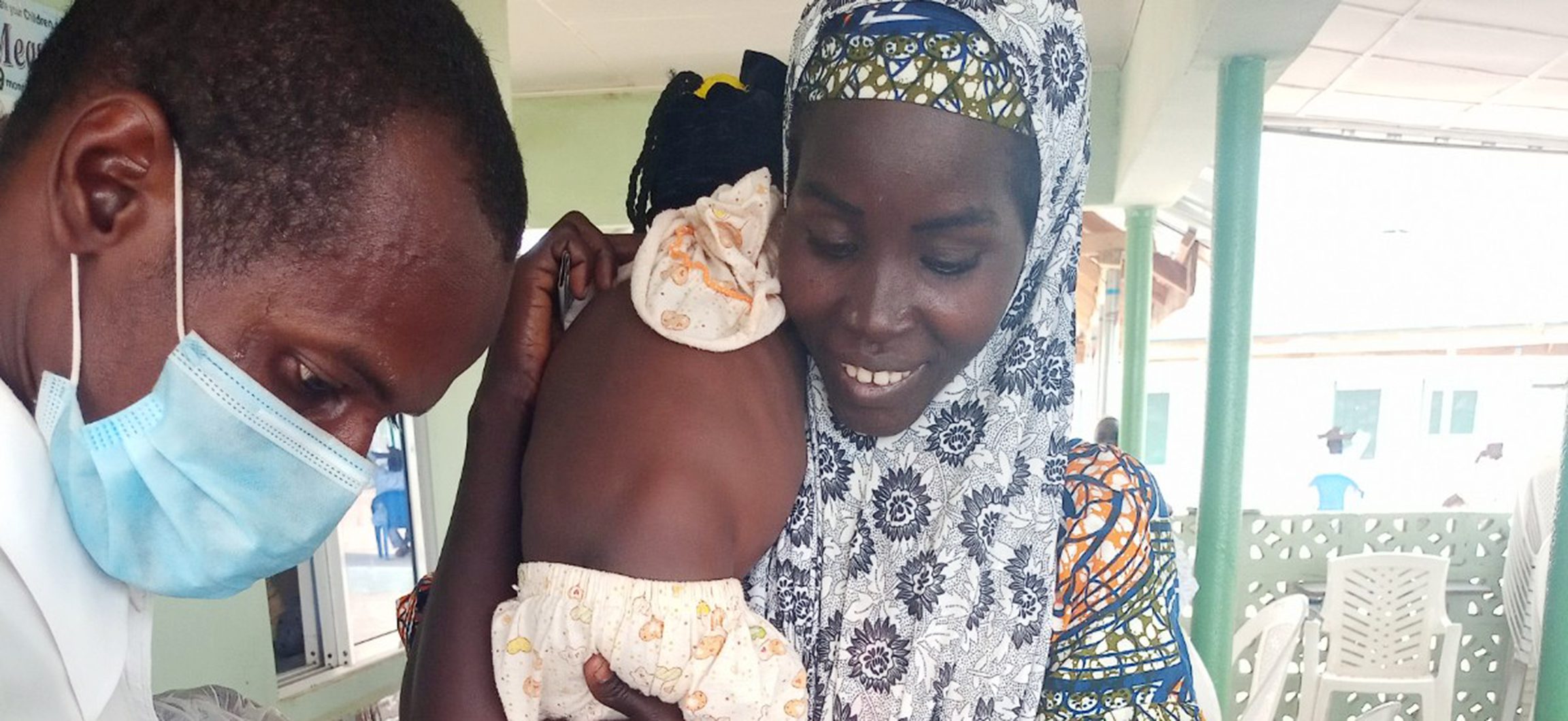
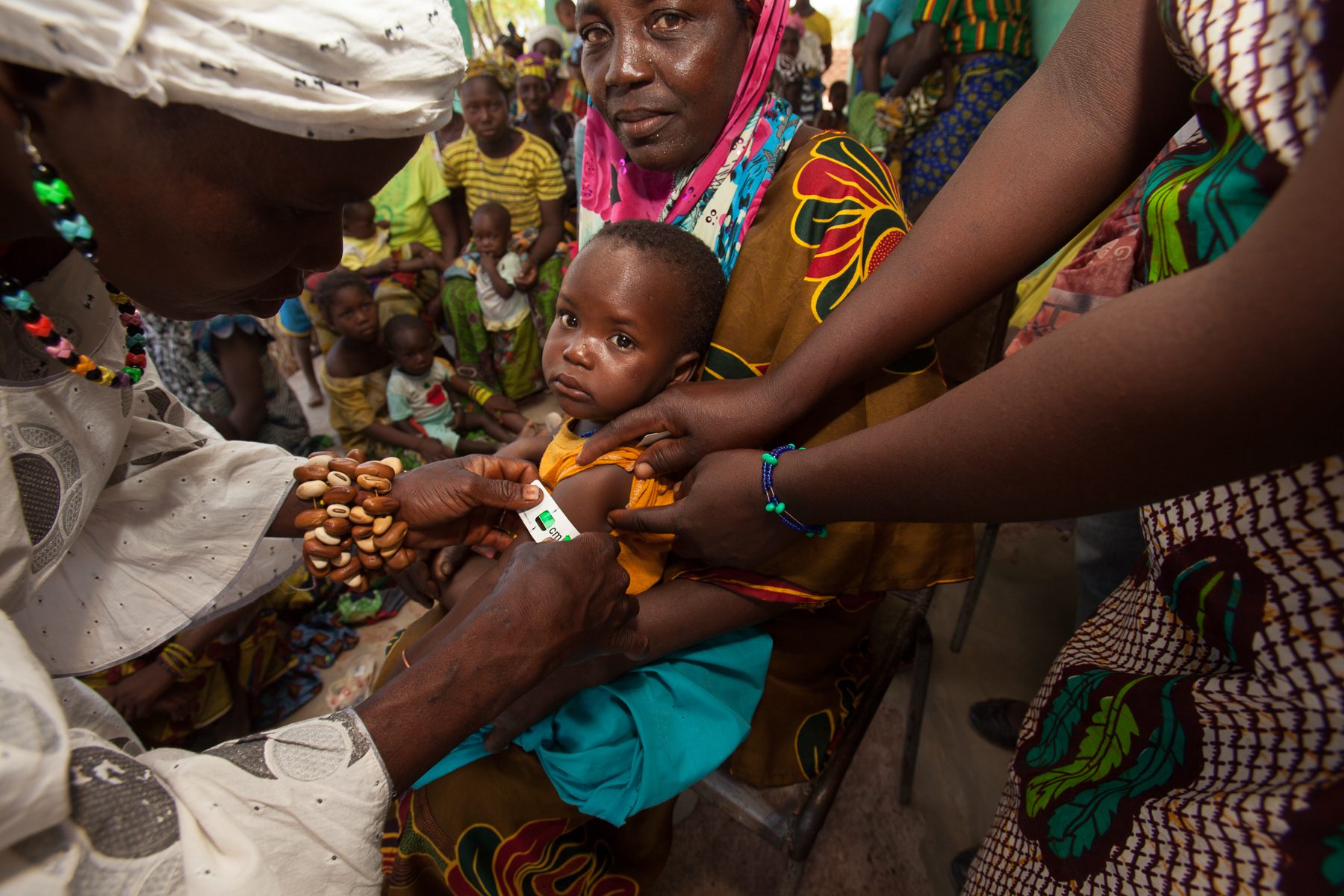
- Diagnose and treat children who suffer from acute malnutrition with specialized foods that deliver vital nutrients fast. Early detection minimizes harm, reduces treatment duration, and ensures a healthier future.
Change starts at the community level
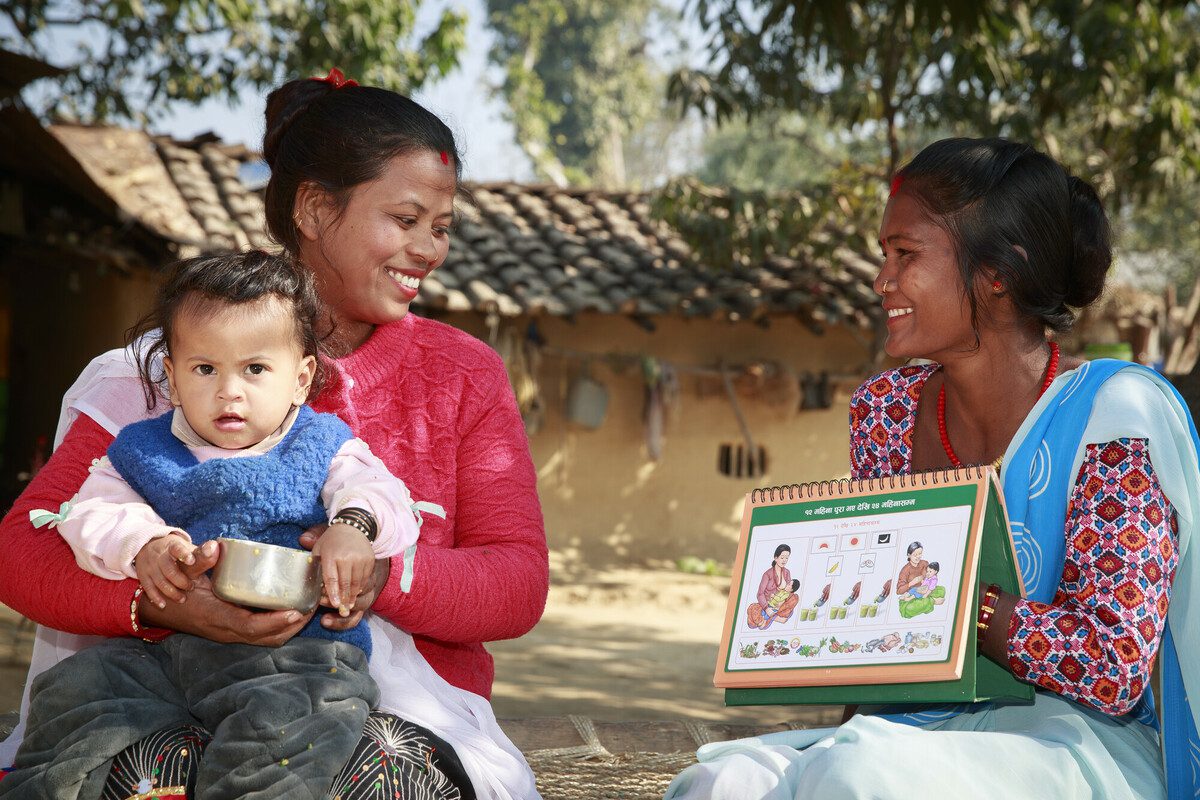
Helen Keller Intl partners with government ministries of health, communities, and other nonprofit organizations to ensure children at greatest risk are screened, diagnosed, and treated.
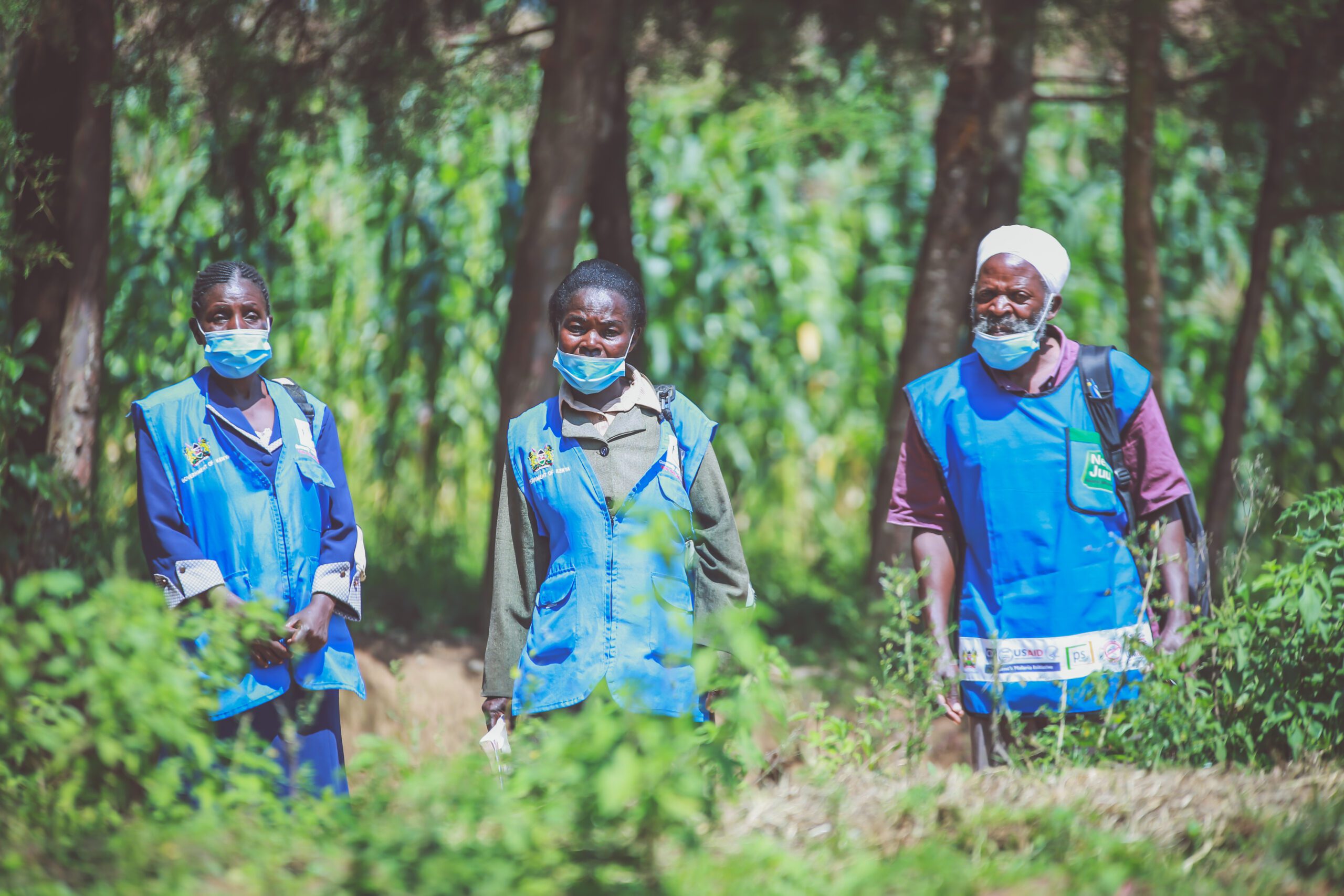
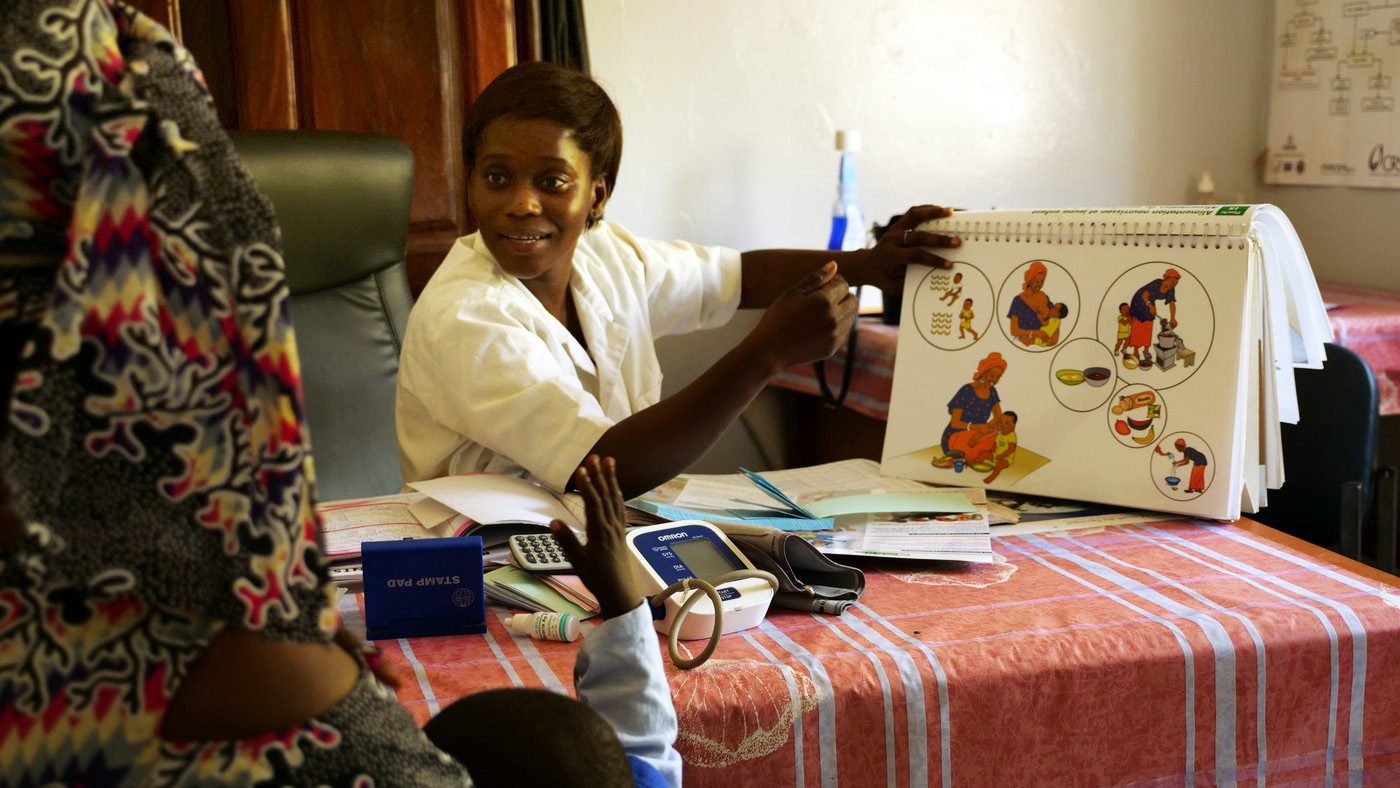
Our approach builds systems that ensure children are diagnosed and treated early – and close to home – by community health workers. This minimizes the time and cost of travel to families who often live far from health centers. We also train community health heros to support and educate expectant and new mothers through home and group discussions and demonstrations.
By working within existing healthcare and community systems, we lay the foundation for sustainable change, improving families’ access to the care they need for a brighter long-term future. Last year alone, we:
- Facilitated the distribution of more than 68 million vitamin A capsules to children under five.
- Screened more than 2.1 million children for acute malnutrition across six countries.
We can change the future if we respond effectively and powerfully now.