Our Sweet Potato Solution
Facts: Vitamin A Deficiency and Malnutrition
- Vitamin A deficiency remains the leading cause of preventable blindness in children.
- Vitamin A is essential for children under five to support growth during critical development phases, as well as support young immune systems to fight common illnesses like diarrhea and measles.
- 44% of preschoolers in sub-Saharan Africa are vitamin A deficient. These children are often sick, and are more likely to die before they turn five due to their weakened immune systems.
- While white sweet potatoes are a commonly found staple food in Sub-Saharan Africa, they contain few nutrients, unlike orange sweet potatoes which are rich in vitamin A.
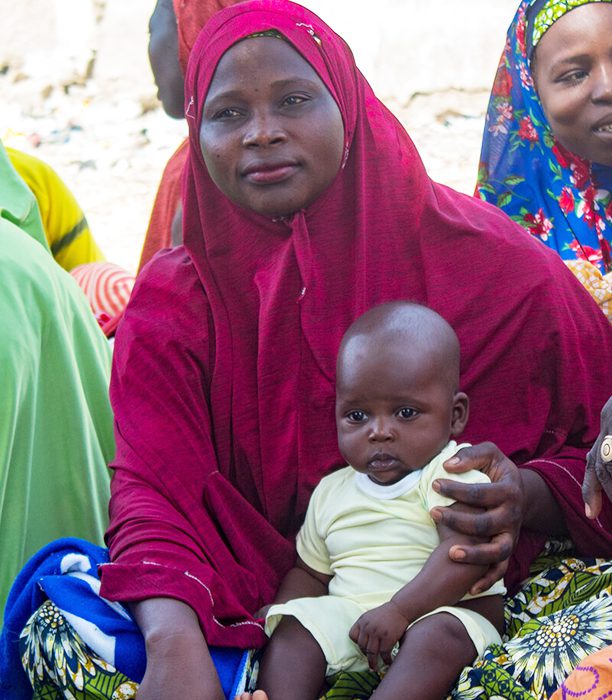
- Vitamin A is also essential for pregnant and breastfeeding mothers. Pregnant women lacking vitamin A in their diets are more likely to suffer from night blindness.
Why Orange Sweet Potatoes
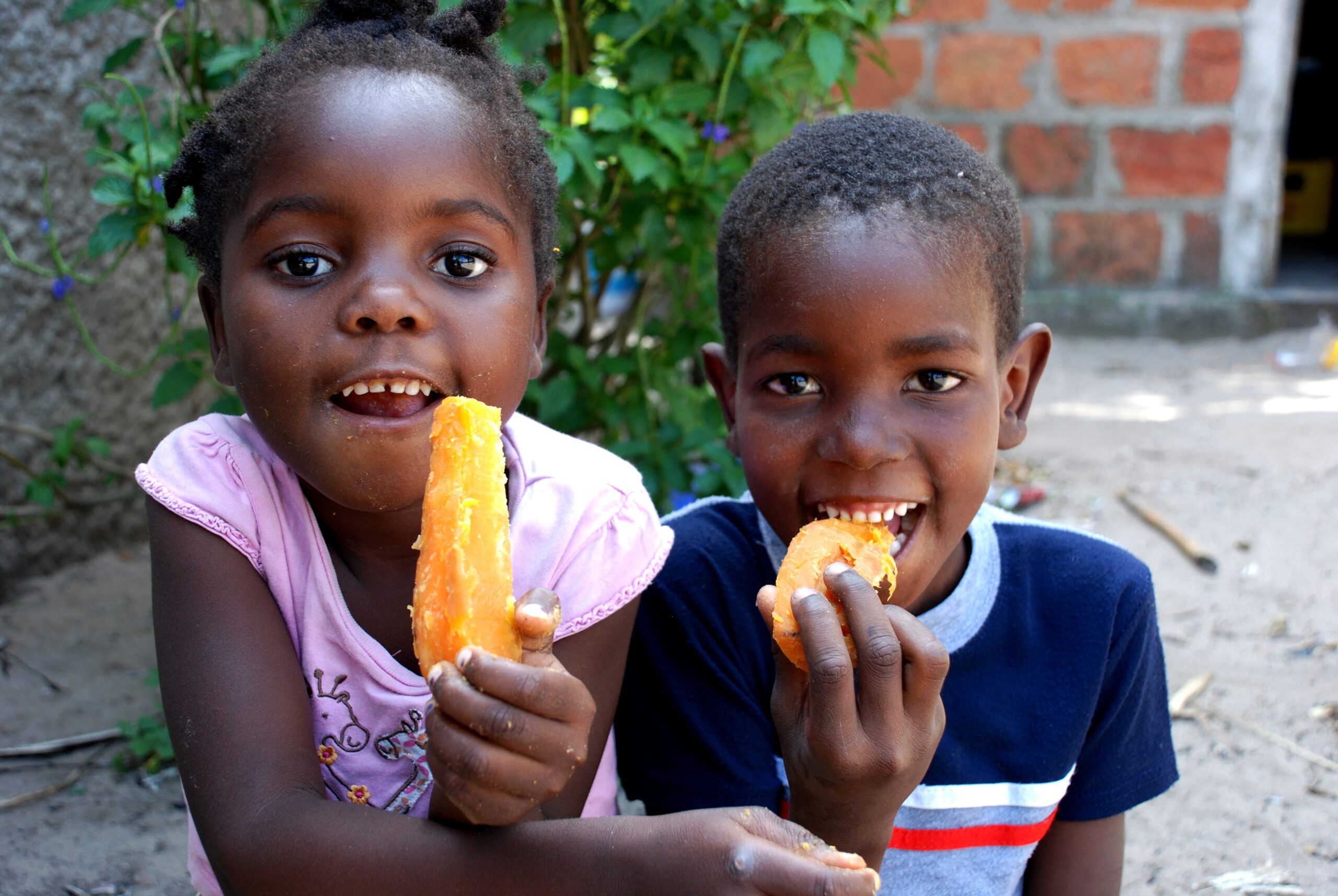
- Eating one small orange sweet potato daily will provide a young child with enough vitamin A to keep them growing healthy and strong.
- Helen Keller Intl works with agriculture and health workers in Africa to promote orange sweet potato as a delicious and healthy food for young children and their mothers in communities where high rates of vitamin A deficiency exist and nutrition-related child mortality levels are high.
- Our programs provide agricultural resources and training to tens of thousands of women farmers and their families to ensure this easy-to-grow crop remains accessible to those most in need.
- We also provide vital nutrition education to these women to ensure healthy eating habits stay in the community for generations to come.
- Our program activities include healthy baby and sweet potato recipe contests where local women share the delicious and creative ways they are serving orange sweet potatoes to their children and families.
Click here to download recipes
Our Impact
- Helen Keller Intl has reached tens of thousands of families with our sweet potato solution in Burkina Faso, Côte d’Ivoire, Mozambique and Tanzania.
- Over the next three years, we will reach 21,000 new families (105,000 people) in Mozambique alone.
- We work with government agriculture and health ministers to build their capacity to sustain programs to support women small farmers, improve child nutrition and significantly impact cycles of poverty.