Helping Families Grow Better Food
Helping Families Grow Better Food
783 million children and adults go to bed hungry every night.
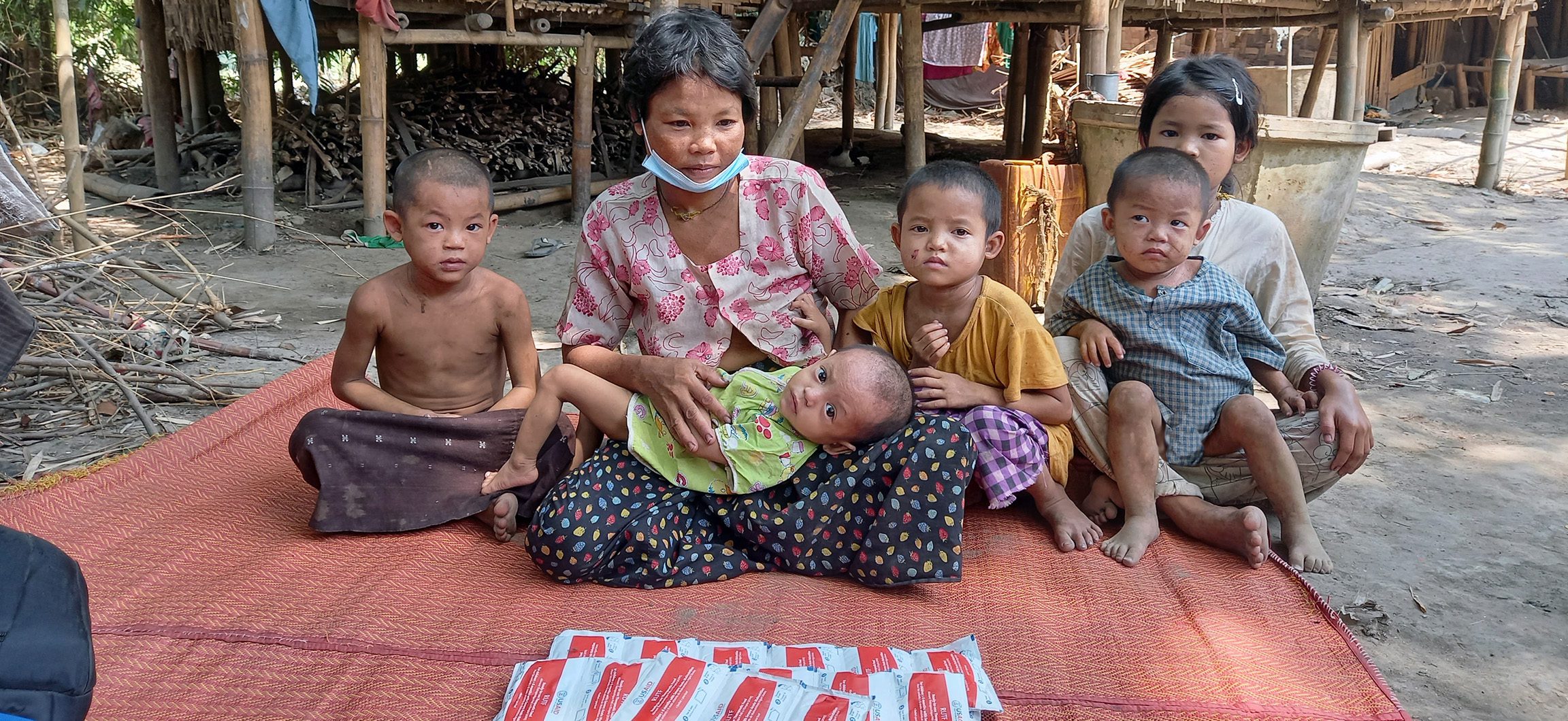
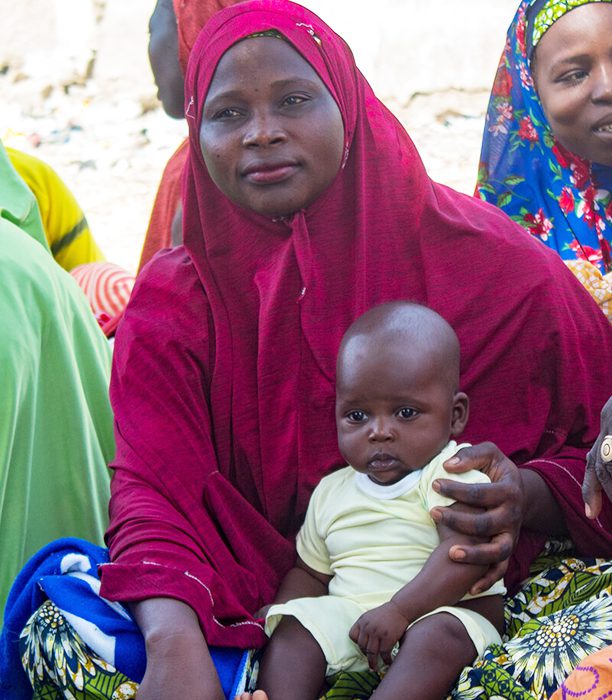
Nearly 70% of people in lower income countries depend on growing their own food or buying it locally, yet they often go without sufficient nourishment. Foods such as corn, rice, and cassava serve as the backbones of diets in the communities in which Helen Keller Intl works, but they deliver too few nutrients to sustain children and family members. Children and mothers are particularly vulnerable to nutritional deficiencies, resulting in conditions like underdevelopment and compromised immune systems, anemia for mothers, and physical and cognitive delays in children, malnutrition, or sometimes worse.
The combined impact of COVID-19, climate crises, and ongoing conflict – both local and global – has put struggling families further at risk of hunger and malnutrition. As costs of foods, fuel, and fertilizer rise, families living on an income of $1-2 a day are being forced to choose between nutritious foods and essentials like healthcare, education, and family needs.
Improving food and nutrition security and sustainability
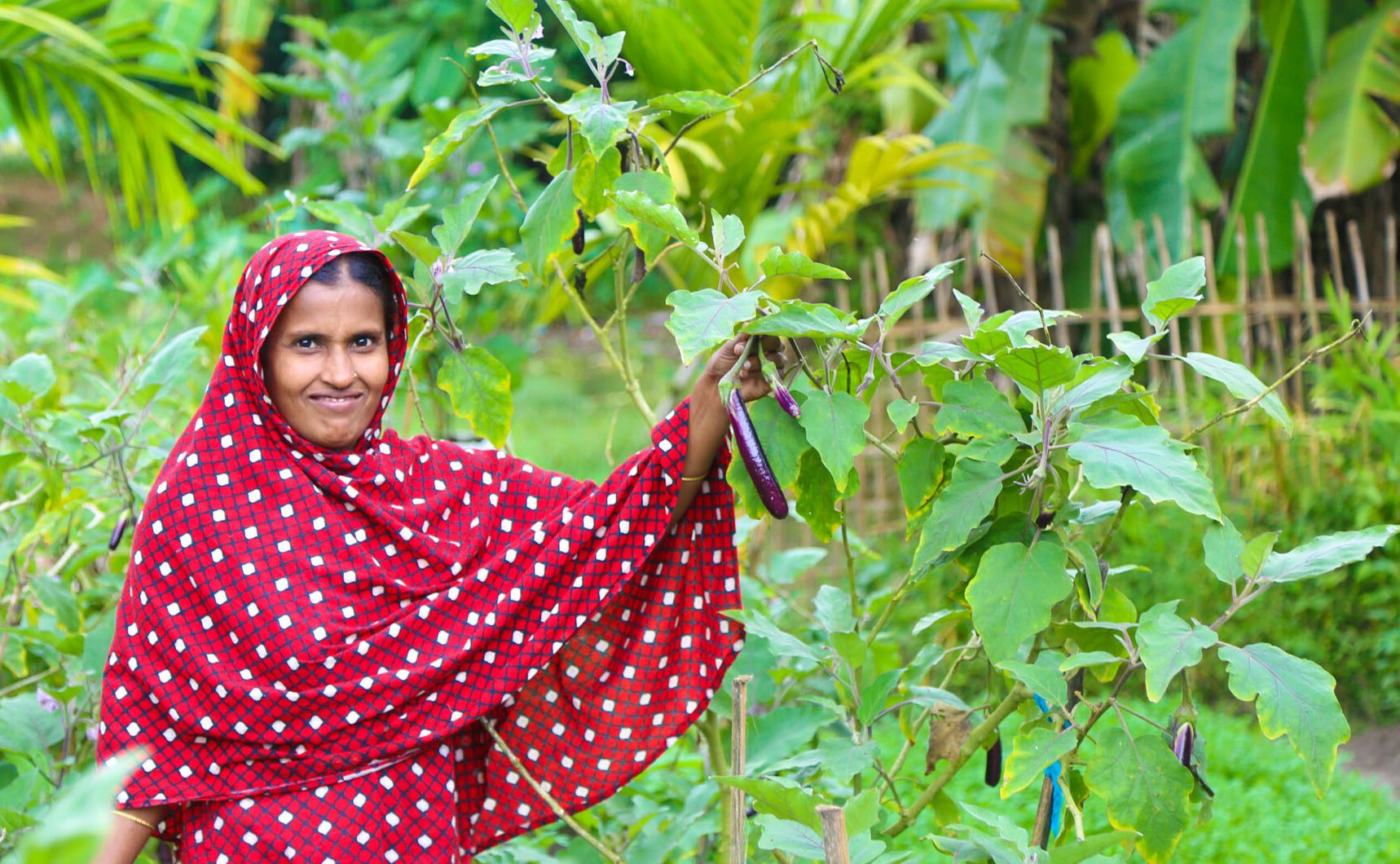
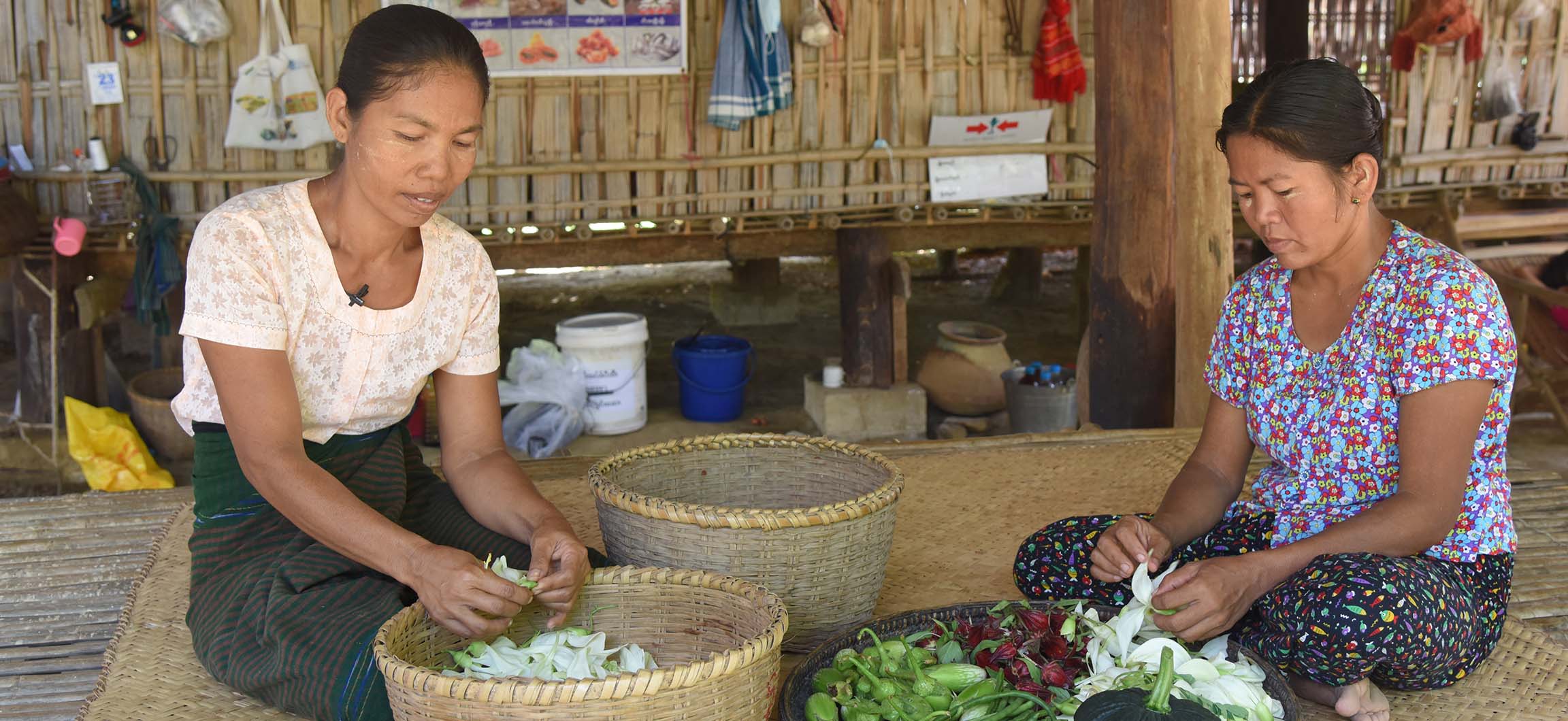
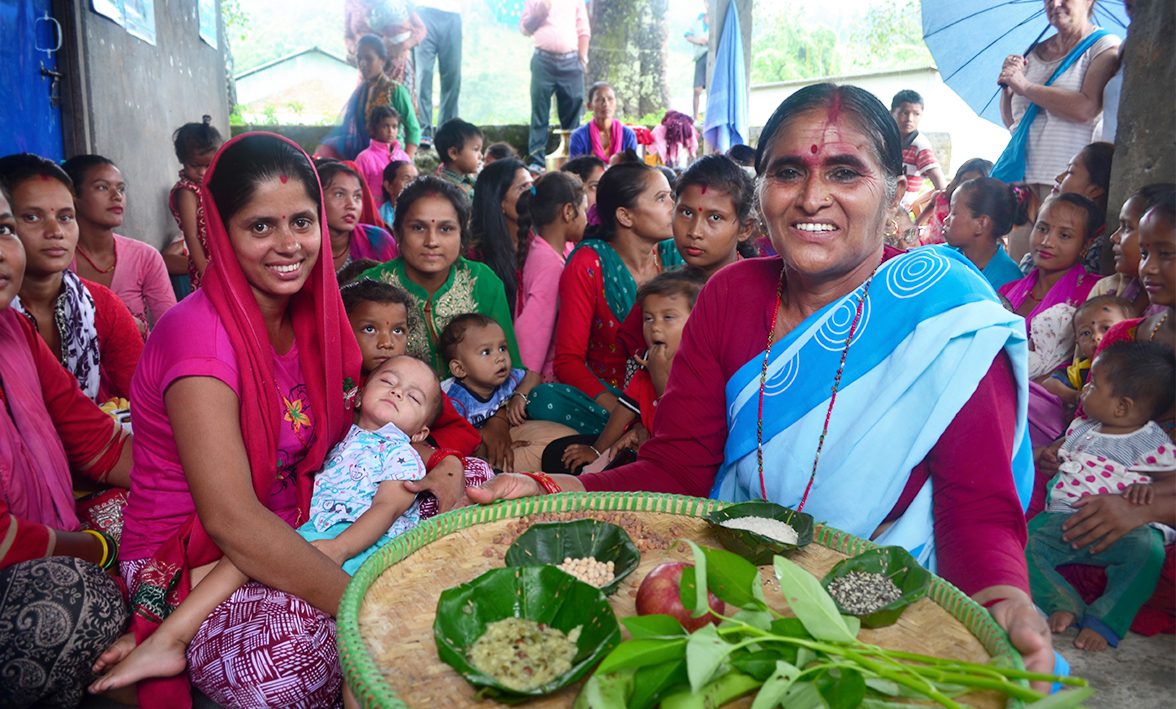
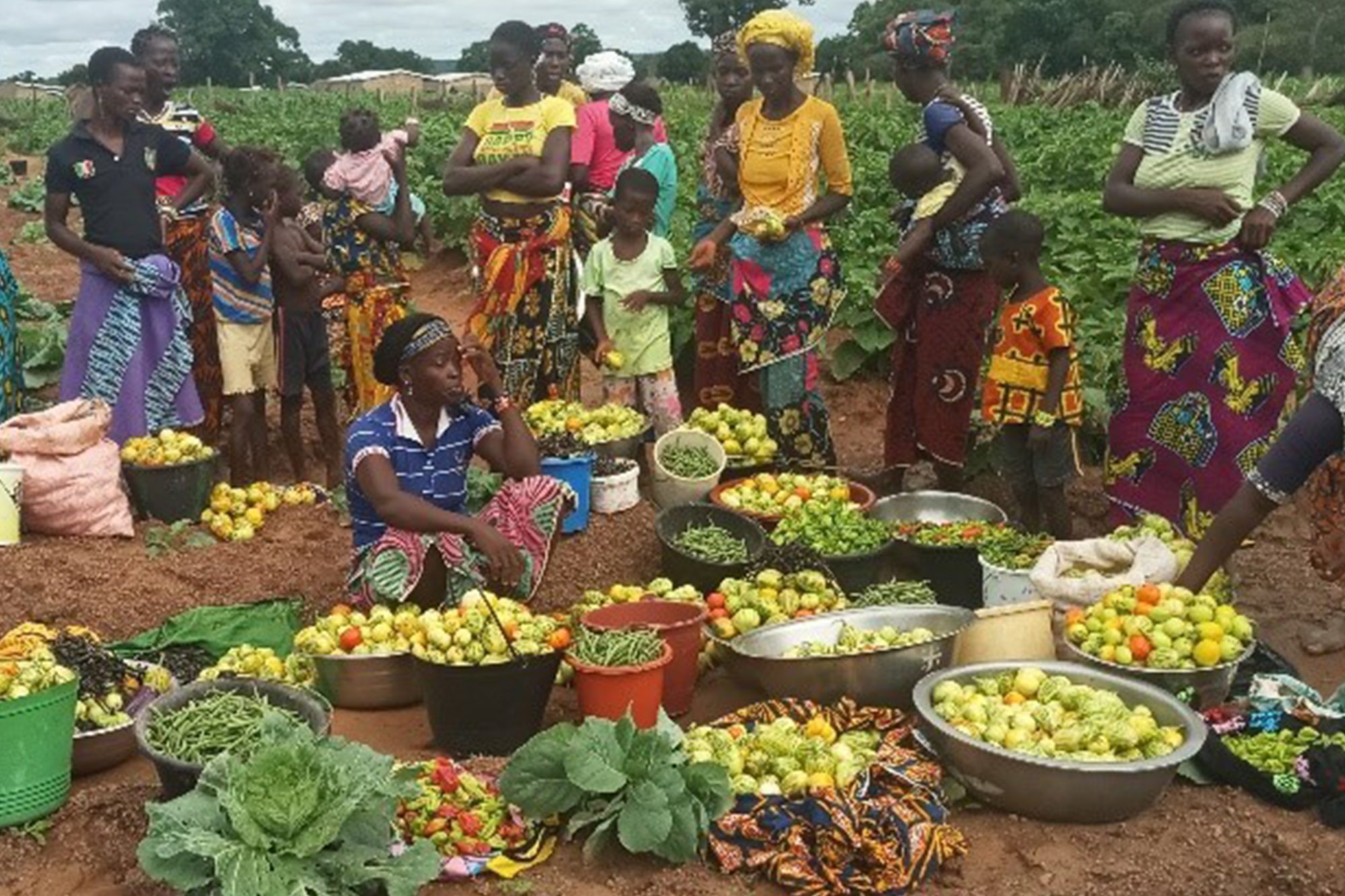
Helen Keller Intl empowers women in Africa and Asia with the education and resources needed to raise their own nutritious foods such as iron-rich green leafy vegetables, vitamin A-rich fruits, and nutrient dense animal foods such as poultry, goats, and fish. We work with community-level farmers and partner with community leaders and local organizations to support women with startup farming supplies and hands-on training in sustainable and climate-smart farming practices so they can provide for their families, despite mounting challenges. Since launching this work more than three decades ago, we’ve reached more than 2.1 million households across Africa and Asia.
Empowering women to lead
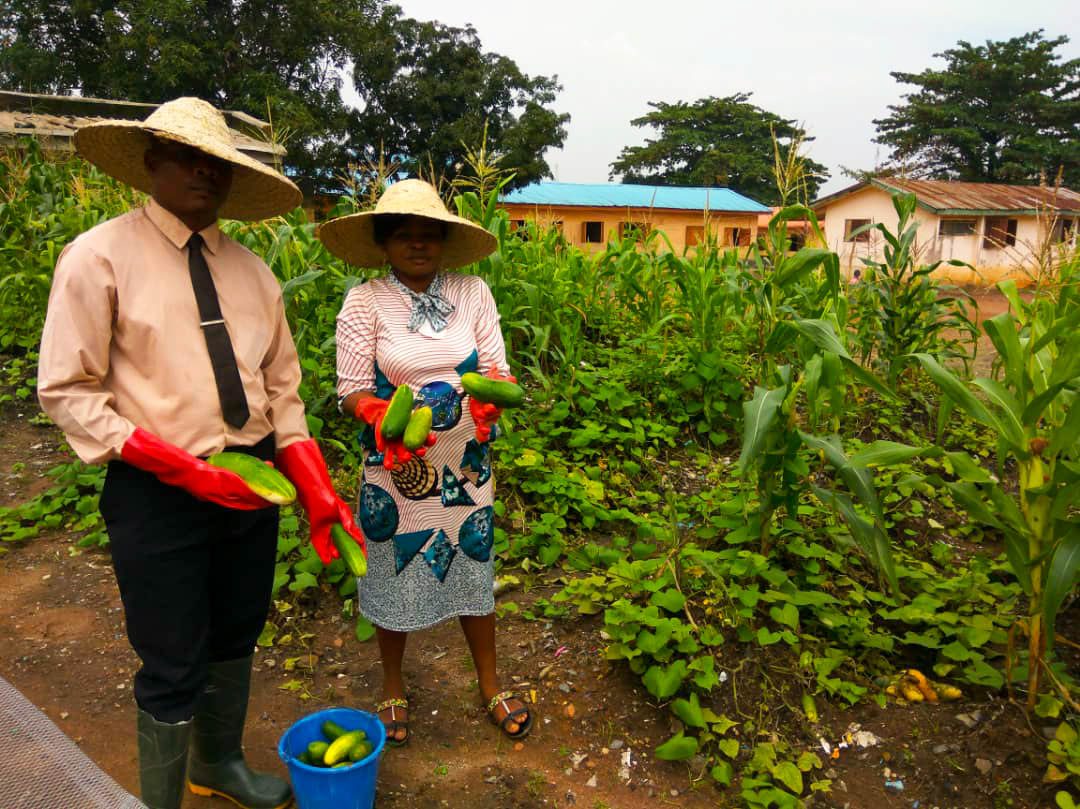
Women are at the center of our work. In the communities where Helen Keller works, women often have limited rights to own their own land and power to make household financial decisions. Yet, evidence has shown that when women earn a living, they spend their income to support the health and wellbeing of the family – on food, housing, education, and healthcare. And when a family is suffering from not enough, women also tend to be the last to eat and the last to seek medical care.
When women have the tools and knowledge to grow their own food, as well as entrepreneurial skills to sell surplus produce at local markets, they grow more and better food, earn extra income, and are empowered to make decisions to benefit their children, themselves, and their whole family. When they care for the soil and manage water resources, they boost their yields, sequester carbon, and protect the local ecosystem.
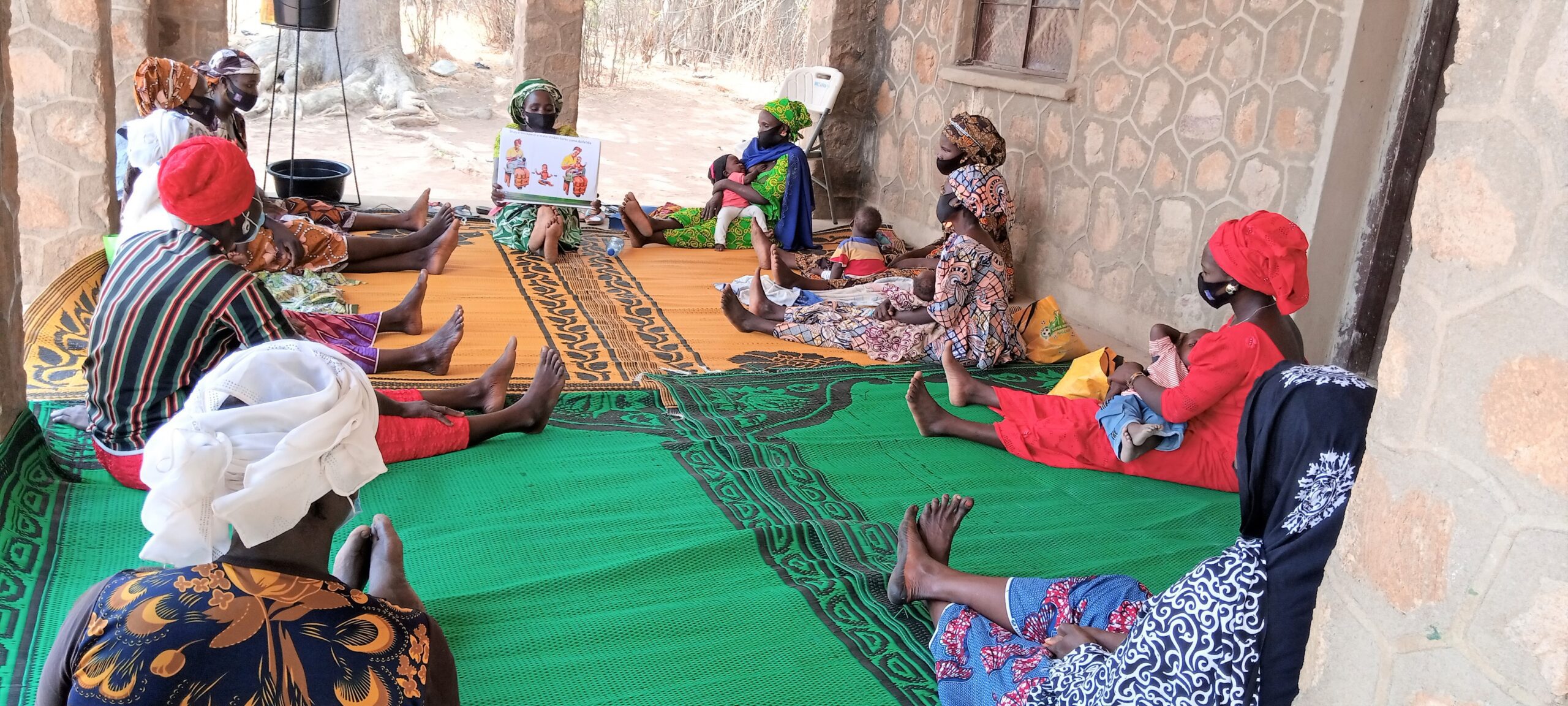
By partnering with women and respected members of the community and established local organizations, together, we are ensuring that knowledge and nutritional practices make for healthier children, family members, communities, and environments for the long-term.
Help ensure families have the tools and resources they need to thrive.